Driving Test Canada | FREE Ontario G1 Practice Test 2026 — Ontario G1 Road Rules

Driving at night and in bad weather

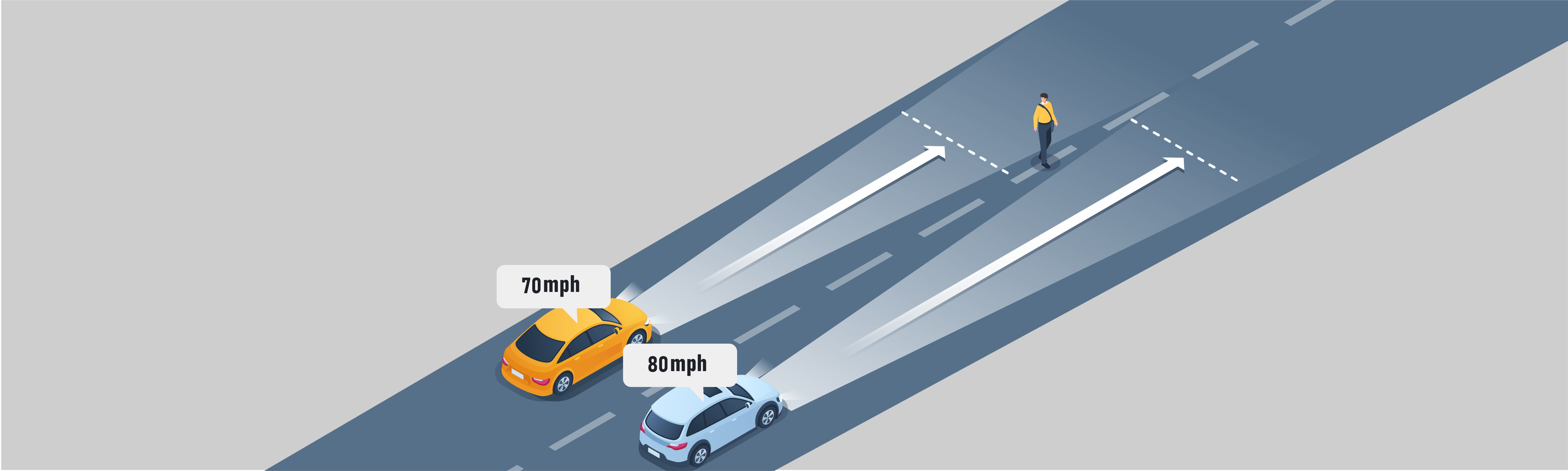
G1 Practice Test - Driving at night and in bad weather - What happens when you overdrive your headlights?

Question 1 of 42

What happens when you overdrive your headlights?

Question 2 of 42

Why is it dangerous to drive at night?

Question 3 of 42

When should you turn on the headlights?

Question 4 of 42

When should you use low-beam headlights?

Question 5 of 42

If you are a teenage driver with your G2 license for six months and until you obtain your full G license or turn 20, how many passengers are you allowed to carry between midnight and 5 a.m.?

Question 6 of 42

If you are a teenage driver aged 19 or under and in the first six months of receiving your G2 licence, how many passengers are you allowed to carry between midnight and 5 a.m.?

Question 7 of 42

It is more dangerous to drive at the maximum speed limit at night than during the daytime because:

Question 8 of 42

How can you cope with a daytime glare?

Question 9 of 42

Why should you switch to low beams when you come to a curve or hilltop?

Question 10 of 42

What should you do when approaching an oncoming vehicle with its high-beam headlights glaring at you?

Question 11 of 42

Why shouldn’t you drive in foggy weather?

Question 12 of 42

What should you do if you are driving in fog or get caught in foggy conditions?

Question 13 of 42

What's the best thing to do if you get caught driving in dense fog?

Question 14 of 42

What should you avoid when driving in foggy weather?

Question 15 of 42

What precautions should you take when driving in whiteout conditions?

Question 16 of 42

Why should you use low beams when there is smoke or fog outside?

Question 17 of 42

What should you do if a safe place to park is not available on the road and there is heavy fog or smoke outside?

Question 18 of 42

What driving dangers does rain pose?

Question 19 of 42

How can you avoid the dangers posed by rain?

Question 20 of 42

Why should you avoid driving in puddles?

Question 21 of 42

What should you do when you are driving on slippery patches?

Question 22 of 42

What should you do when you lose control of the vehicle during rain?

Question 23 of 42

Roadways are most slippery:

Question 24 of 42

Hydroplaning occurs when a vehicle's tires lose traction and ride on top of water during heavy rain. To help prevent hydroplaning, you should:

Question 25 of 42

How can you test your brakes if they are working properly after driving through a flooded road?

Question 26 of 42

A vehicle may skid when

Question 27 of 42

How can you control a skidding vehicle?

Question 28 of 42

How does ABS work?

Question 29 of 42

When should you use threshold braking?

Question 30 of 42

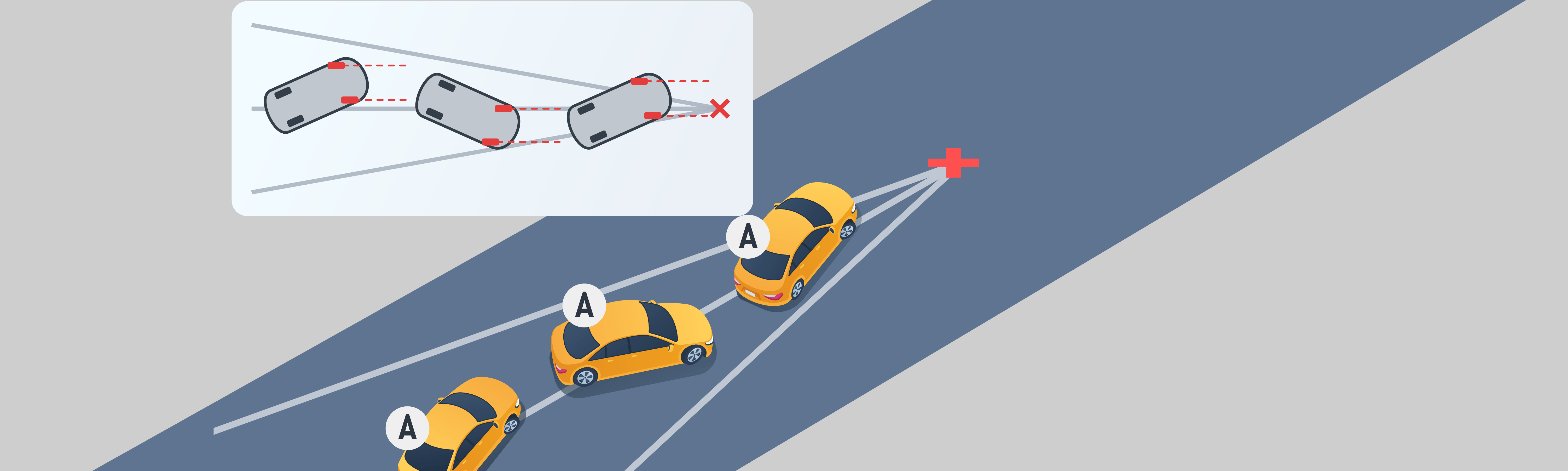
What is the one most important thing to do when you start to skid?

G1 Practice Test - Driving at night and in bad weather - What sort of steering adjustments should you make when your car is skidding?

Question 31 of 42

What sort of steering adjustments should you make when your car is skidding?

Question 32 of 42

What is the purpose of an anti-lock braking system (ABS)?

Question 33 of 42

To get your vehicle out of a skid, you should first:

Question 34 of 42

How should you pass through rutted snowy roads?

Question 35 of 42

Which of the following should you avoid during times of snow and other inclement weather?

Question 36 of 42

What can happen if you apply cruise control in poor weather and road conditions?

Question 37 of 42

A flashing blue light mounted on a motor vehicle indicates:

Question 38 of 42

What are the things that should be followed when driving in whiteout conditions?

Question 39 of 42

What is black ice?

Question 40 of 42

Black ice is dangerous because:

Question 41 of 42

What is the best way to stop quickly on a wet or icy roadway?

Question 42 of 42

Snow-removal vehicles on public roadways are equipped with a flashing: