Driving Test Canada | FREE Ontario G1 Practice Test 2026 — Ontario G1 Road Rules

Dealing with emergencies

Question 1 of 28

What should you do if your brakes fail?

Question 2 of 28

What should new drivers do when it comes to practicing brakes?

Question 3 of 28

What should you do if your gas pedal sticks?

Question 4 of 28

If your headlights go out, why should you bring your vehicle to a safe stop off the road?

Question 5 of 28

What should you do if your headlights go out?

Question 6 of 28

What should you do if the headlights don’t come on after checking the switch?

Question 7 of 28

If you are stopping on the freeway and waiting for help, you should:

Question 8 of 28

You should never stop on the ______ when you have trouble on the freeway.

Question 9 of 28

How should you exit the vehicle when stopping on the side of the road?

Question 10 of 28

Which roads are patrolled by the Ontario Provincial Police?

Question 11 of 28

When a truck becomes disabled on a highway where the speed limit exceeds 60 km/h, flares or reflectors must be placed approximately what distance ahead of and to the rear of the disabled vehicle?

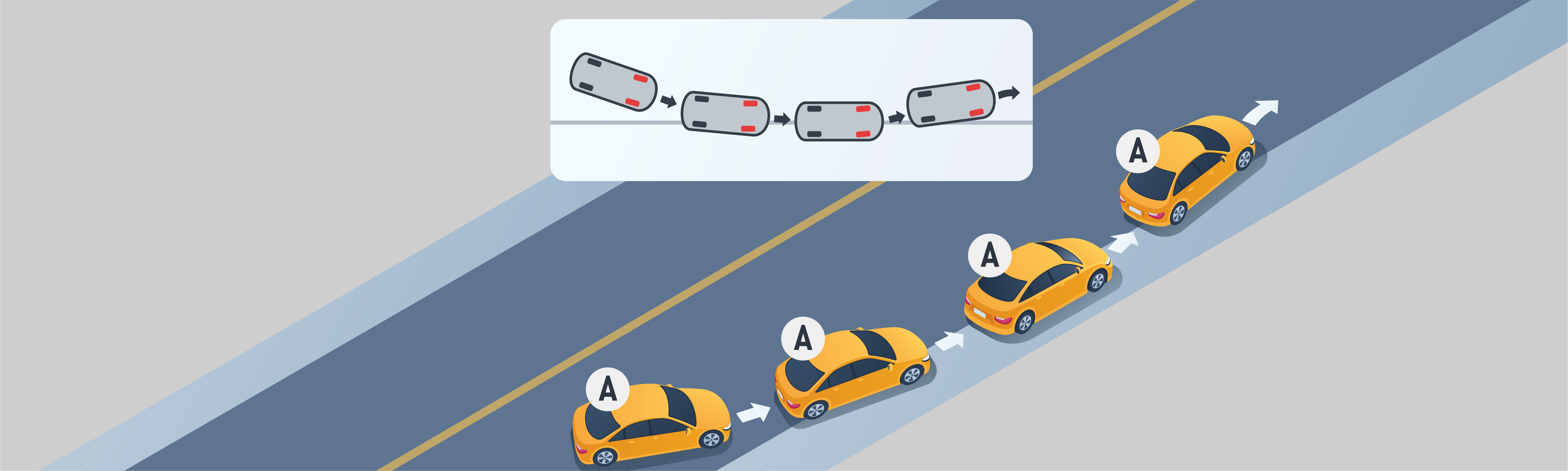
G1 Practice Test - Dealing with emergencies - How should you return to the road if you drive off the paved portion of the roadway?

Question 12 of 28

How should you return to the road if you drive off the paved portion of the roadway?

Question 13 of 28

What should you avoid doing when your wheels go off the pavement?

Question 14 of 28

What is one important thing you should do when you drive off the paved portion of the roadway?

Question 15 of 28

What should you do if your vehicle's tire blows out?

Question 16 of 28

If you are involved in a collision where someone is injured, what should you do?

Question 17 of 28

How should you inform approaching drivers that there has been a collision and people are injured?

Question 18 of 28

What should you do if you see a vehicle on fire with people in it?

Question 19 of 28

What should you do to help injured people if there is no danger of a fire or explosion in the vehicle?

Question 20 of 28

Who should you treat first if you know how to give first-aid?

Question 21 of 28

By law, you must report any collision to the police when there are injuries or damage to vehicles or other property exceeding:

Question 22 of 28

If you are involved in a collision where no one is injured, what should you do?

Question 23 of 28

When should you report to the police if you are involved in an accident or collision and the property damage exceeds $2000?

Question 24 of 28

How can you help the police in case of a collision if there is no injury?

Question 25 of 28

What information does the police require from the witnesses?

Question 26 of 28

What should you do if you have a camera or a cell phone and witness a collision?

Question 27 of 28

What should you do if your vehicle is being towed?

Question 28 of 28

After a collision, when should you contact your insurance company?