
Highways and Freeways
What things should you avoid when merging?
What must you do after entering a curve?
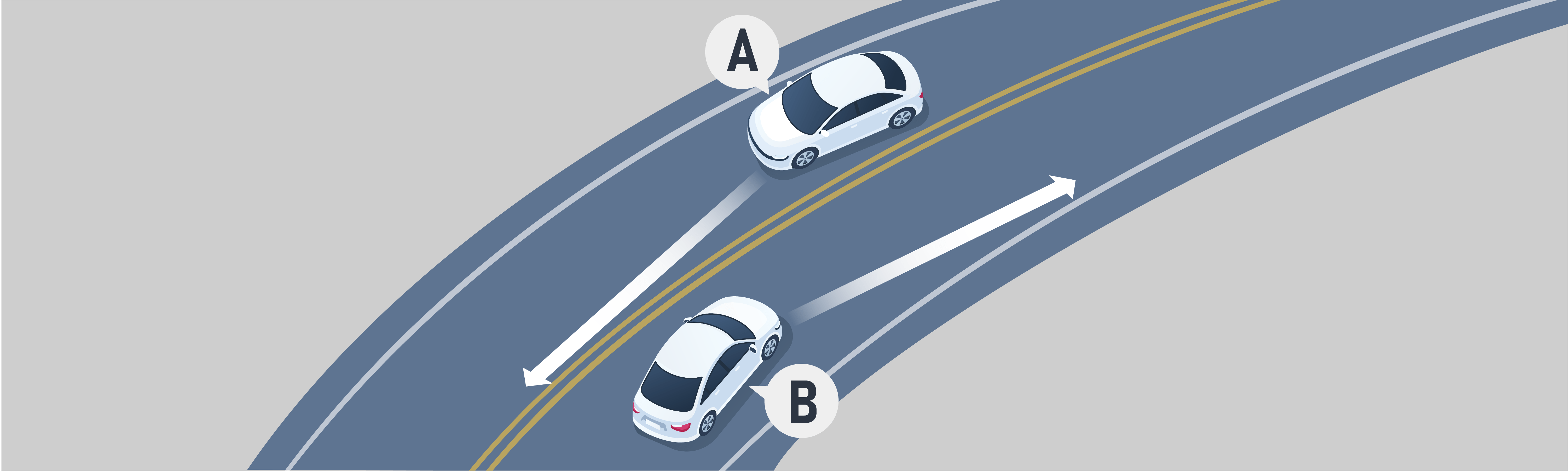
What may happen when Vehicle B’s tires lose traction with the road as you enter a curve to the right?
If you are in the right-hand lane and approaching the end of the passing lane, what should you do?
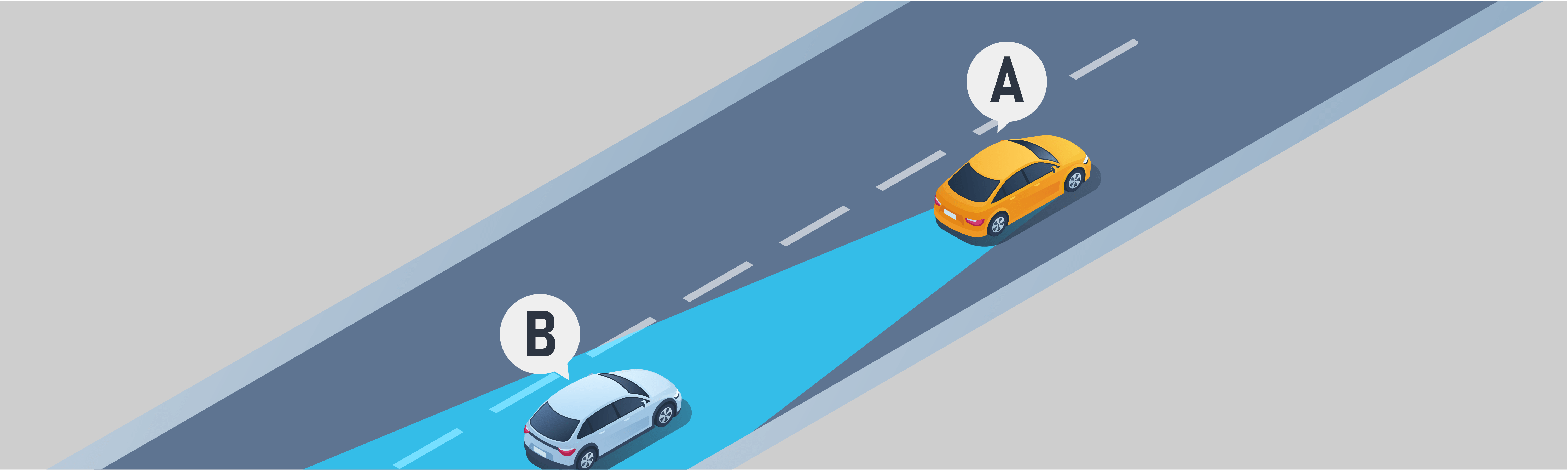
Through which rearview mirror can the driver of Vehicle A see Vehicle B approaching from behind?
Which vehicle has the right of way during merging?
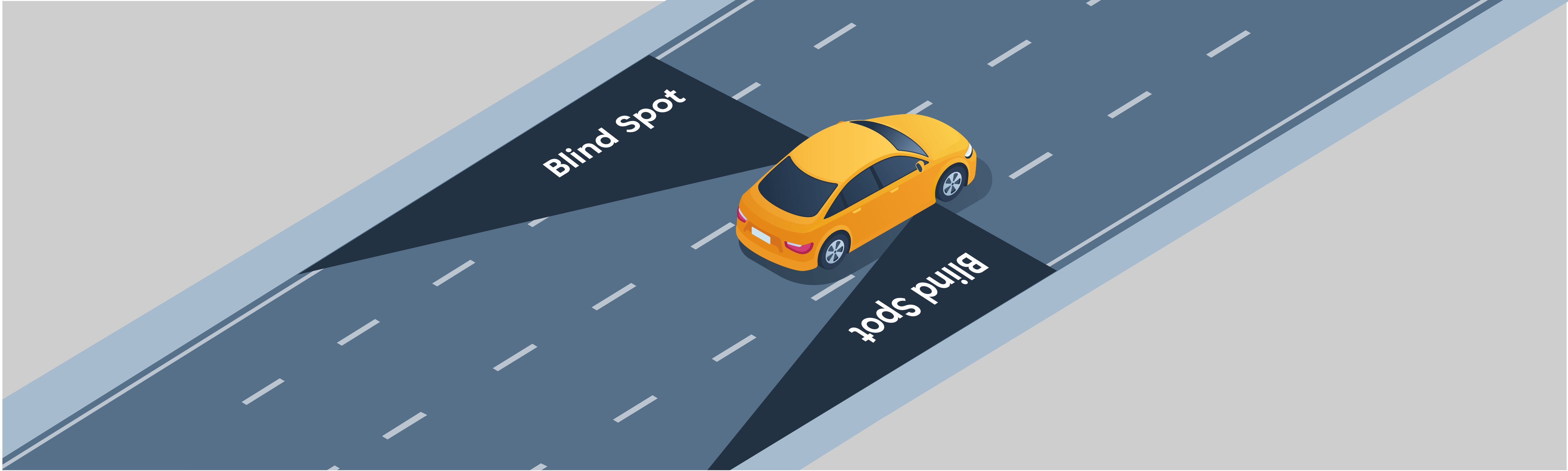
What are blind spots?
How can you minimize blind spots?
As you approach the top of a hill, which side of your lane should you move toward?
What is the correct procedure when changing lanes?
Why is it unwise to pass near the top of a hill on a two-lane highway?
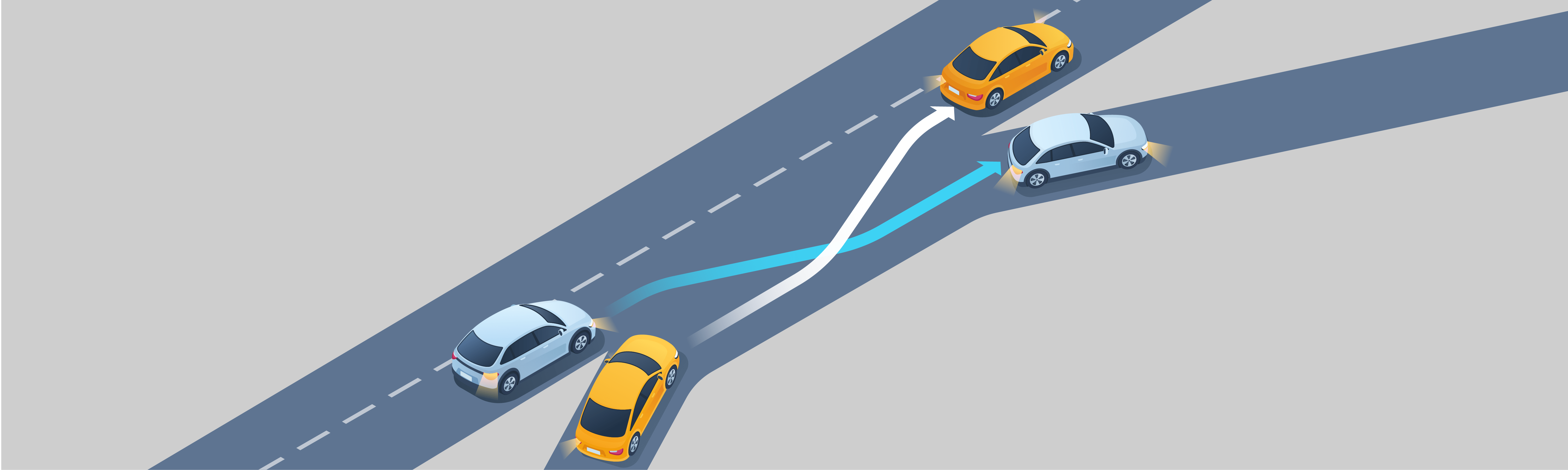
What is a weave zone?
Which vehicle is responsible for merging?
How can you get out of a skid?
How do you properly perform a shoulder check?
When is it illegal to pass another vehicle?
Under what circumstances can slower traffic use the left lane?
What should you do if you miss a highway exit?
Why is it important to be cautious and courteous in a weave zone?
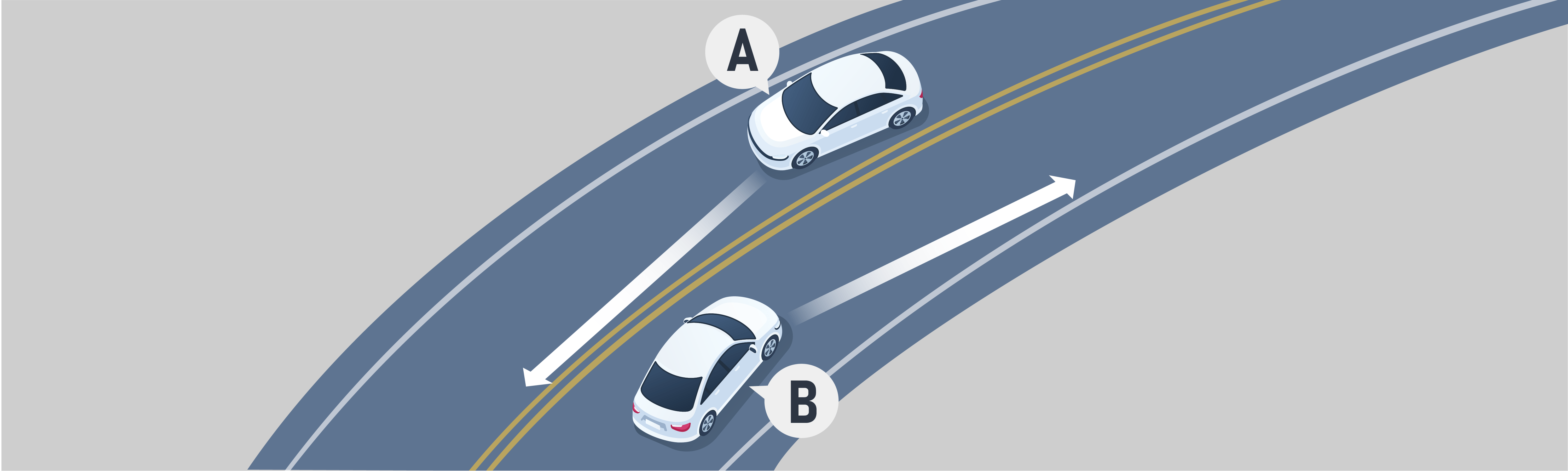
What should you do if Vehicle A’s tires lose traction with the road as you enter or travel around a curve to the left?
What does the merging lane allow you to do?
How can you reduce the risk of your brakes overheating if your vehicle has standard transmission?
What should your exterior mirrors show you?
Why is it not the safest choice to pass a school bus with flashing amber lights?
When should you pass on a two-lane highway?
How should you exit a major roadway or highway safely?
When is it illegal to pass a vehicle?
What is the maximum speed limit on a provincial highway beyond city limits unless indicated otherwise by road signs?
When must you signal your intention before turning or changing lanes?
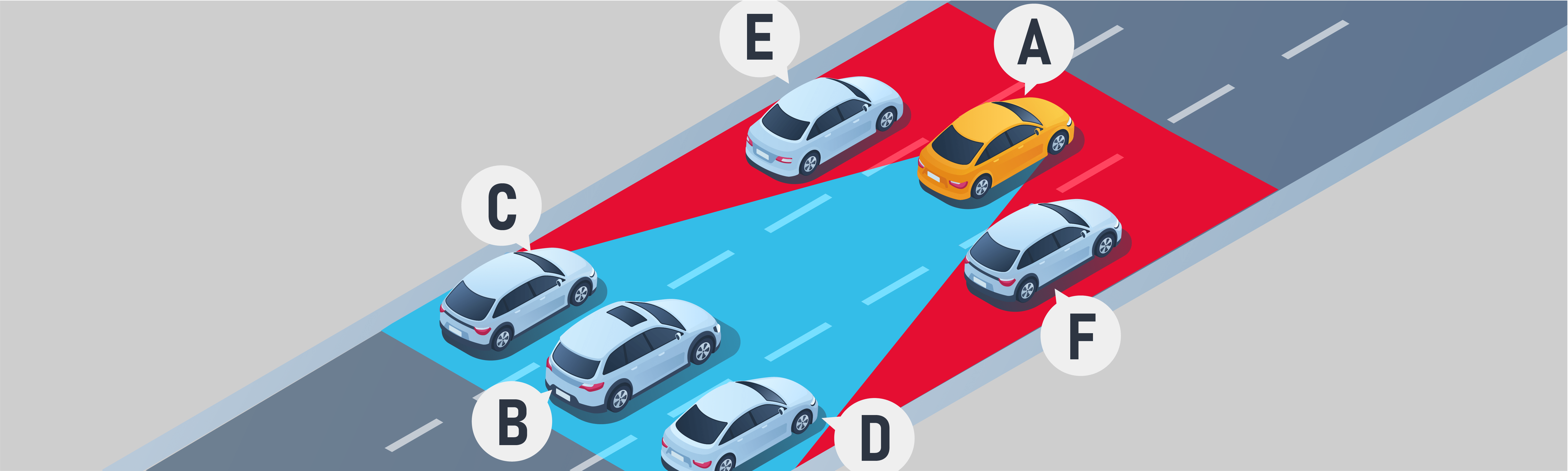
Which vehicles are in the blind spot of Vehicle A?
How do drivers know when the passing lane is ending?
What should you do if the hill you are descending is very steep?
On a multi-lane highway, under normal circumstances, which lane should slower traffic use?
What is the ideal way to merge?
Can vehicles drive in the emergency stopping lane of a highway?
If there are blind spots, how should a person change lanes safely?
When should you slow down while exiting a highway?
What should you do while driving on a right-hand curve?
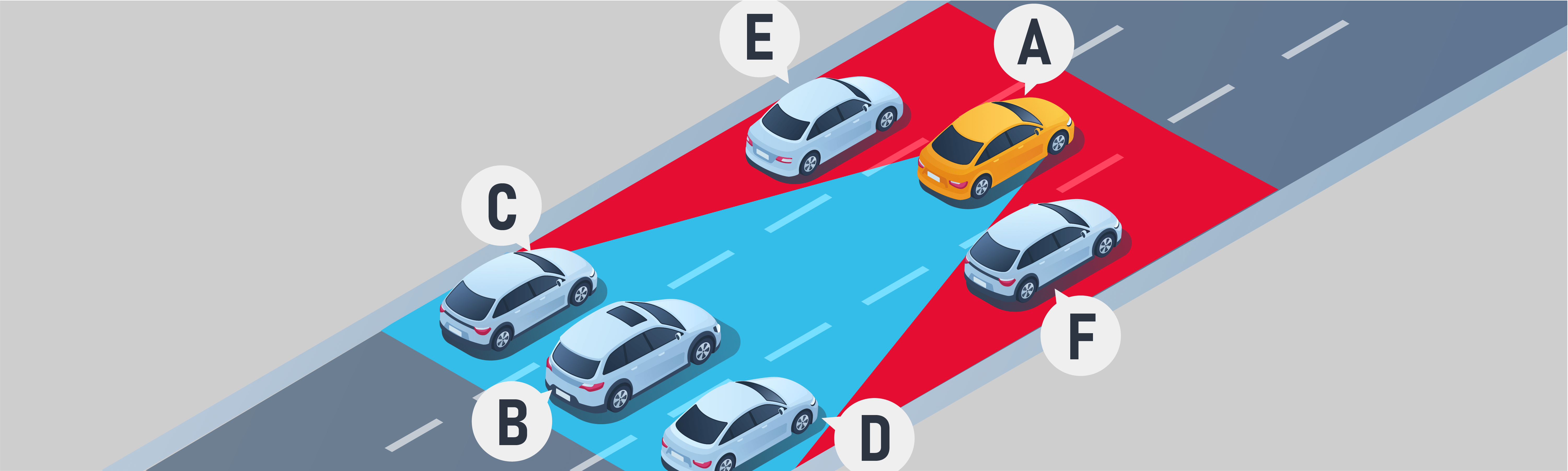
Which vehicles can the driver of Vehicle A see using both the interior and exterior side rearview mirrors?
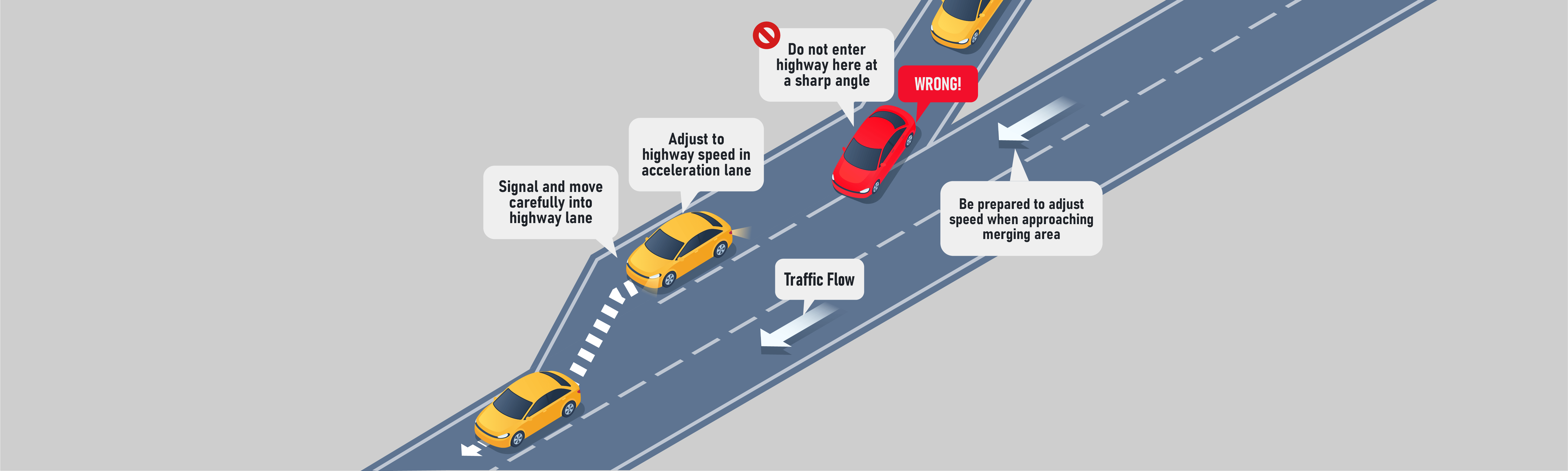
While merging, when should you make the move and enter a gap?
When is driving around curves more dangerous?
Can you pass a school bus that has flashing red lights and the stop arm extended?
Can you assist or allow another vehicle to pass you using the emergency stopping lane?

How can you help another driver pass you on a two-lane highway?
Why should you not overtake vehicles on curves on highways that only have one lane in each direction?
What is the purpose of a shoulder check?
What can happen if there is an error in judgment when passing another vehicle on a two-lane highway?
How much time does it take for a car to stop when traveling down a hill?

Where should you look to make sure you can stay in the centre of your lane?
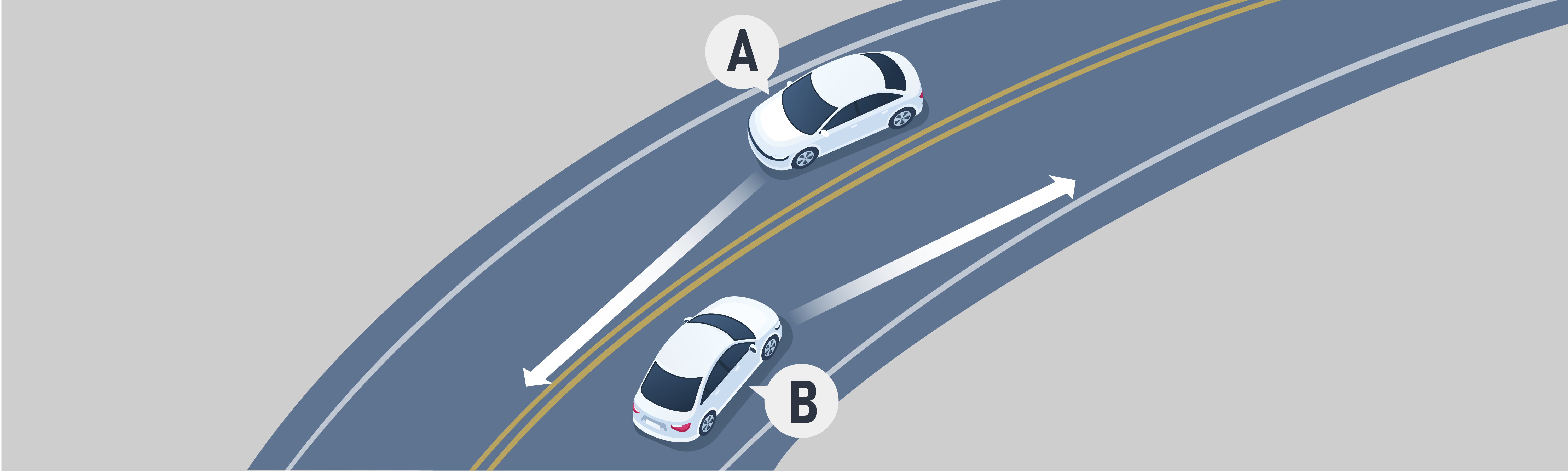
What can happen if the tires of Vehicle A lose traction with the road as you enter or travel around a curve?
How do vehicles drive in the passing lane?
What if you don’t have a backseat side window or a rear window?
When is it illegal to pass a vehicle?
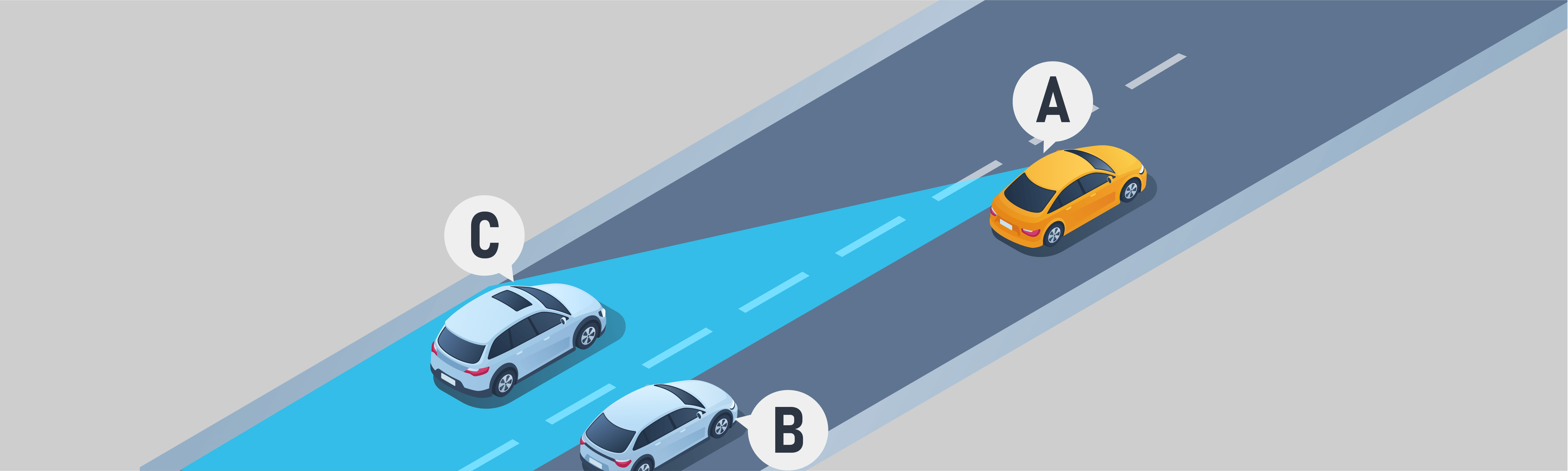
Which vehicle can the driver of vehicle A see using the left exterior mirror?
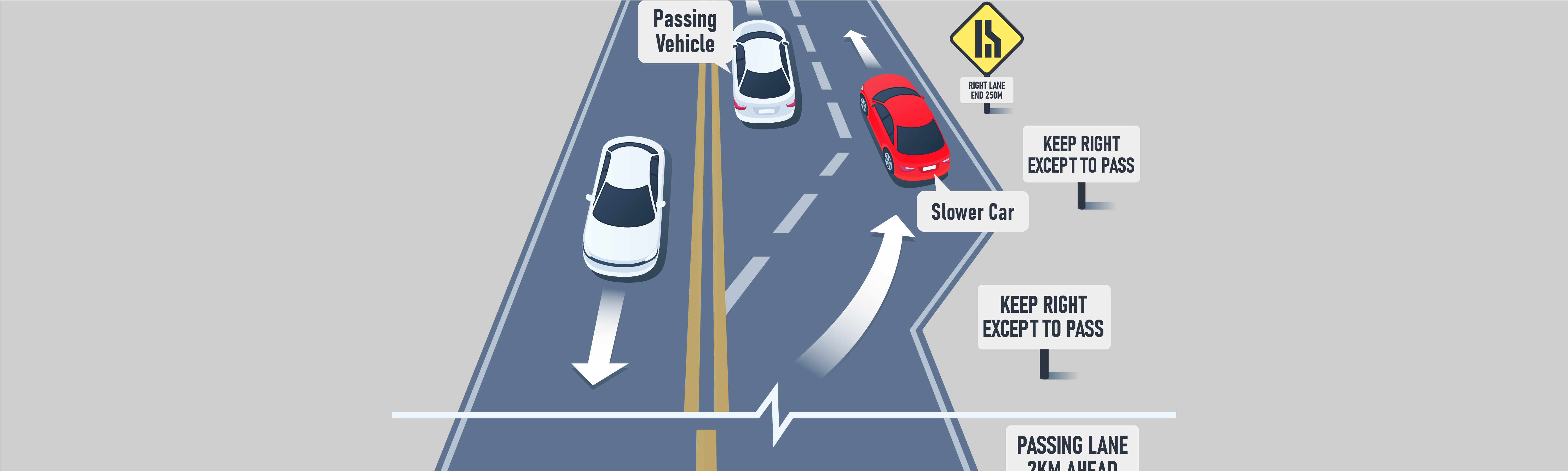
What is a passing lane?
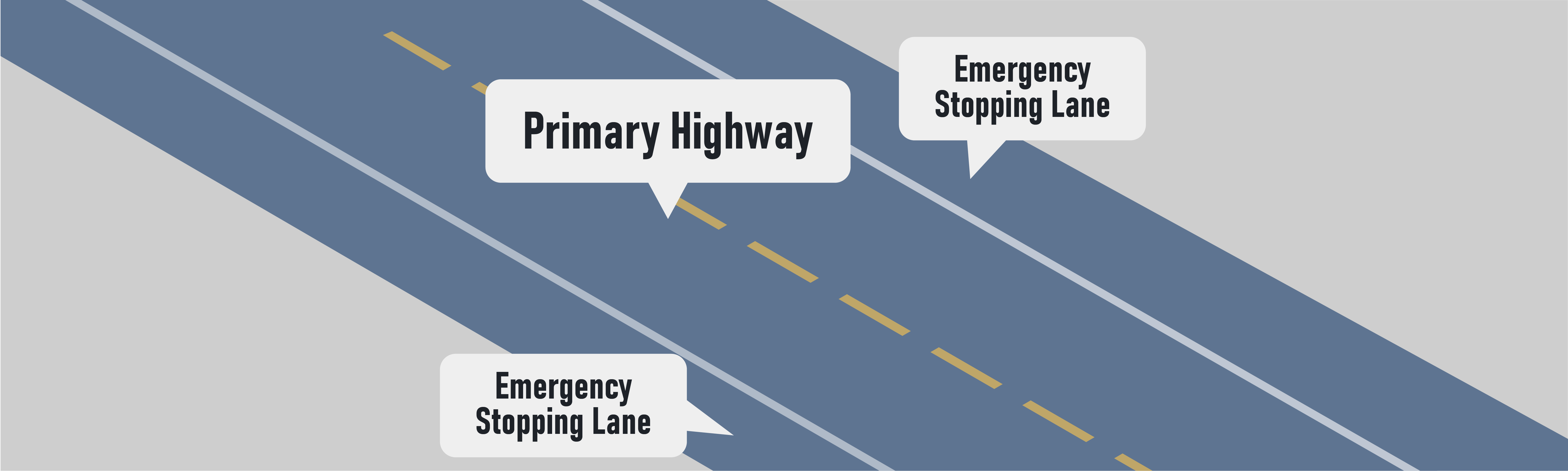
What is an emergency stopping lane?
Not enough to pass :-(
You have answered 0 correct out of 56 question(s).
What's Next?
Review your answers
See which answers you chose and what the correct answers are.
Study Guide
Review all the correct answers.
Question: {counter}
{question}
{image}- {options}